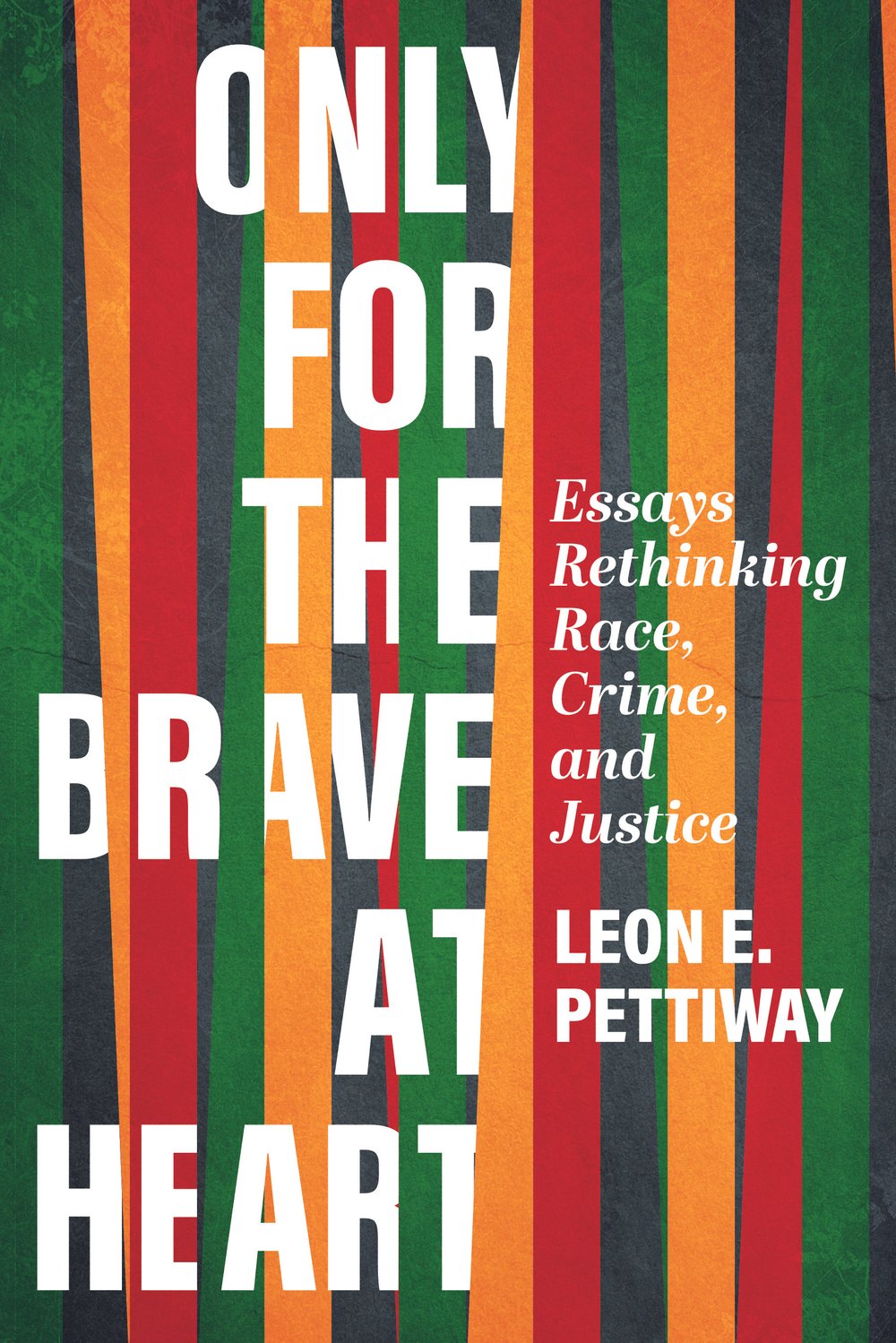
In reflecting on race, crime, and justice, Only for the Brave at Heart, as a social and cultural critique, makes it clear that we must understand the nature of the mind and the mind’s elaborations if we are to create a more civil and productive society. Using Afrocentric and Buddhist ideas as the conduits for cultural analysis, the book takes a critical look at the writings of scholars in the fields of sociology, criminology, criminal justice, black studies, philosophy, and law as well as the literary imaginations of novelists and other social influencers to critique and reframe our thoughts about race, crime, and justice.
But Only for the Brave at Heart is more than a social commentary that challenges the ways we think about the conceptualization of these issues. It provides a path—that is, it provides something more than just being outraged, wringing our hands, or praying that those in power will listen (or do something) so that no more mothers and fathers will bury their children or see them locked away, lost to yet another form of enslavement. In presenting this Middle Path, the manuscript seeks to liberate us from all those ways of thinking that create the sufferings and injustices resulting from the supposed negativities associated with human differences. As a new path, the manuscript offers hope to a country that has failed to reconcile its commitment to freedom and liberty, given the erroneous ways we have thought about ourselves and others.
As such, Only for the Brave at Heart’s commitment to communal wholeness will allow us to re-imagine: (1) the ways we have thought about the meanings and subtexts associated with race, crime, and justice; (2) reconsider our belief in a created, socialized, independent, and substantially existent self so we can alter our understanding of race membership, criminality, power, property, and injustice; (3) relinquish our allegiance to thoughts of marginalization, dysfunction, and pathology so that we can abandon our belief that indifference and severe punishment are suitable responses to human failure; (4) recognize the preciousness of human life and compassion as ways to reframe the administration of justice, and (5) re-envision the criminal justice system as an institution designed to lift every American to his or her highest potential through our commitment to compassion and loving-kindness.